
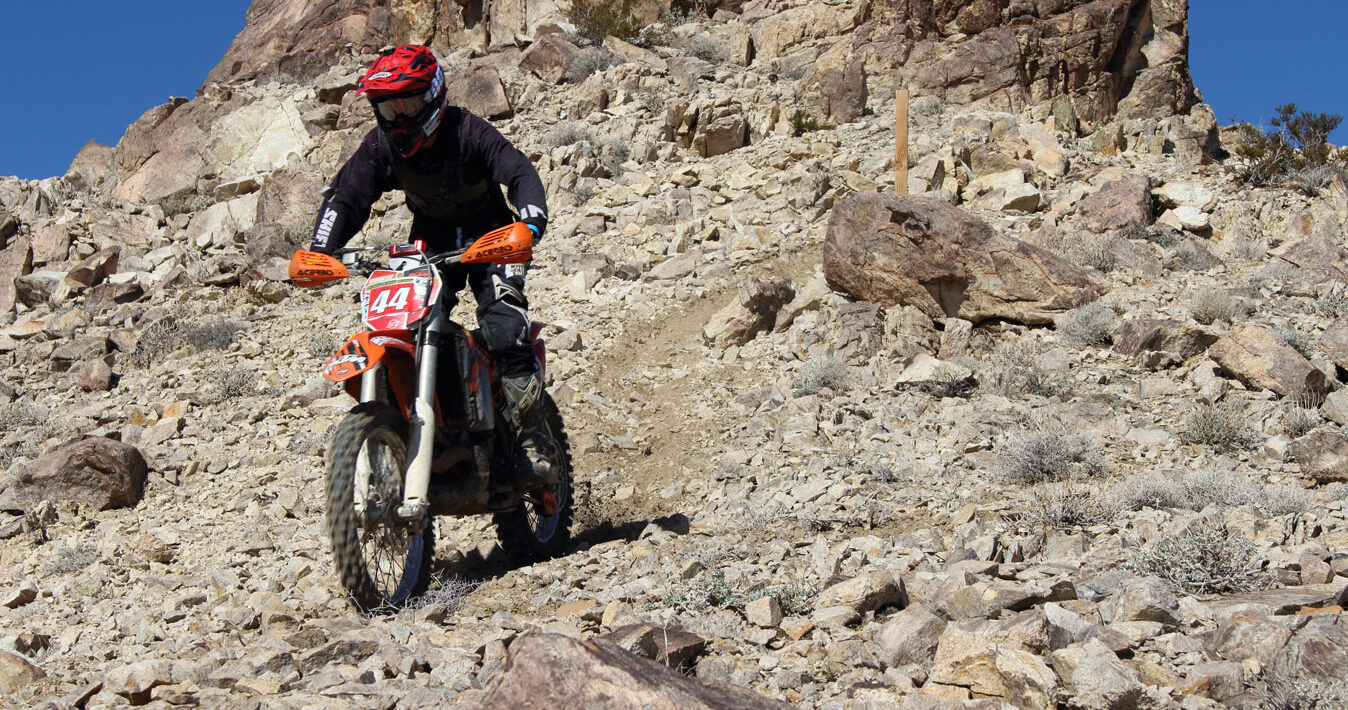
Every serious dirt bike rider eventually learns the hard way that tire pressure is a delicate balance between traction and reliability. When you are navigating technical single-track or steep hill climbs, a rim lock motorcycle component becomes your best friend. This simple yet effective piece of hardware is designed to prevent the tire from spinning on the rim, a common issue when running the low air pressures required for technical off-road riding. By clamping the tire bead to the rim, it ensures that every bit of power from your engine is translated into forward momentum rather than a sheared valve stem.
Why Low Pressure Demands Extra Security
In the world of motocross and enduro, lower pressure means a larger footprint on the ground. This “squish” allows the knobs to grab onto rocks and roots more effectively. However, the lower the pressure, the less force there is pushing the tire against the rim. Under heavy acceleration or hard braking, the forces can overcome the friction of the bead, causing the rim to rotate independently of the tire. This rotation is what destroys tubes. A dedicated locking system is the only way to safely run pressures below 15 PSI without risking a catastrophic failure in the middle of a ride.
Balancing Weight and Performance
One side effect of adding a mechanical lock is the introduction of a heavy spot on the wheel. Because the device sits opposite the valve stem in most cases, it can cause the wheel to hop at high speeds. For riders who spend time on fire roads or transfer sections, balancing the wheel with spoke weights is highly recommended. This ensures that you get the slow-speed technical benefits of the lock without sacrificing stability when the pace picks up. High-quality aluminum locks are often preferred by racers because they provide the necessary clamping force while minimizing the impact on the bike’s rotating mass.
Long-Term Maintenance for Off-Road Wheels
Maintaining your wheel assembly involves more than just checking air pressure. You should regularly inspect the rim for cracks and ensure that the locking nut remains snug. If you notice your valve stem starting to slant, it is a clear sign that your tire is moving and your rim lock motorcycle hardware needs adjustment or replacement. Taking the time to properly set up your wheels will not only improve your grip on the trail but also save you from the frustration of unnecessary mid-ride tube changes.