
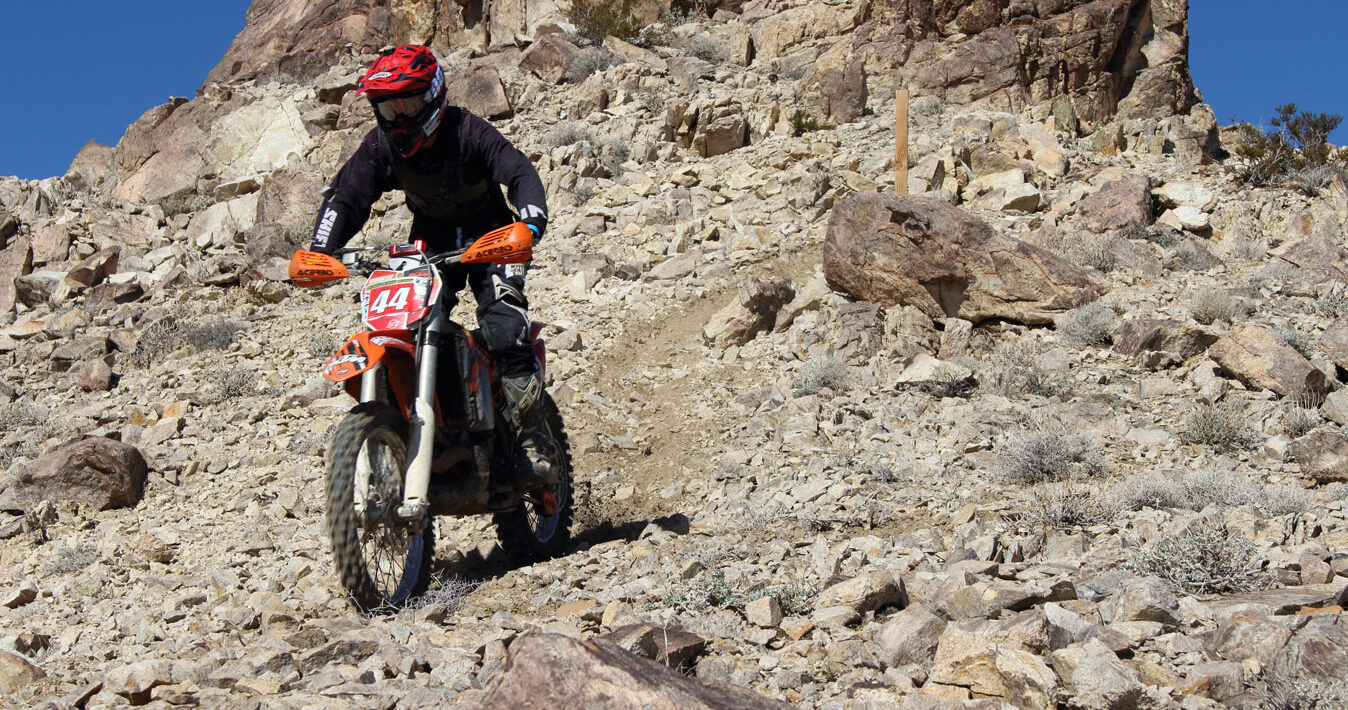
Many riders spend thousands of dollars on aftermarket shocks and fork re-valving while completely overlooking the most fundamental part of their bike’s damping system: the tires. Proper tire suspension handling begins with the realization that the air volume in your tires is the first point of contact for every bump on the trail. Before an impact ever reaches your mechanical suspension, the tire must deform to absorb the energy. If a tire is over-inflated, it acts like a rigid pogo stick, deflecting off rocks and sending harsh vibrations through the handlebars. Conversely, a tire that is properly supported and pressurized can soak up high-frequency “trail chatter,” allowing the primary suspension to focus on larger hits and jumps. This synergy creates a more composed motorcycle that tracks straighter and requires less physical effort to steer.
Optimizing Damping through Tire Compliance
Tire compliance refers to the ability of the rubber and tube to mold around the terrain. This is a critical aspect of off-road handling because the ground is never flat. When a tire conforms to the ground, it maintains a consistent load on the contact patch, which is essential for both braking and acceleration. If the tire is too stiff, it loses contact with the earth as it skips over small obstacles, leading to a loss of control. By using rim supports, riders can achieve a “dead” feeling in the tire that mimics high-end suspension valving. This helps to settle the chassis in rough ruts and prevents the dreaded “deflection” that often leads to front-end washouts. A bike that stays planted is a bike that allows the rider to push their limits safely.
Balancing Support and Rim Protection
The challenge has always been finding the “sweet spot” where the tire is soft enough to absorb impacts but firm enough to protect the rim and maintain its shape under heavy cornering loads. Advanced rim support systems provide this balance by adding a layer of protection that sits inside the tire, effectively acting as a progressive bump stop. This setup allows for incredible tire suspension handling because it removes the fear of catastrophic rim strikes. When the tire can do its job as a primary damper, the rider experiences less arm pump and can maintain a higher pace for longer periods. Investing in the way your tires interact with the ground is a game-changing move that improves every aspect of your dirt bike’s performance, from slow-speed technical climbs to high-speed desert crossings.